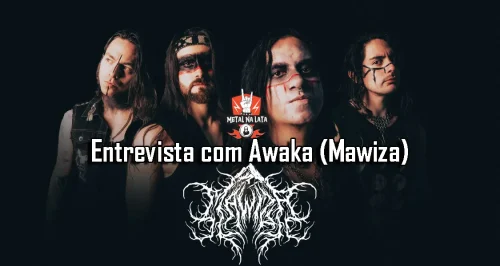
Entrevista com Awaka (Mawiza)
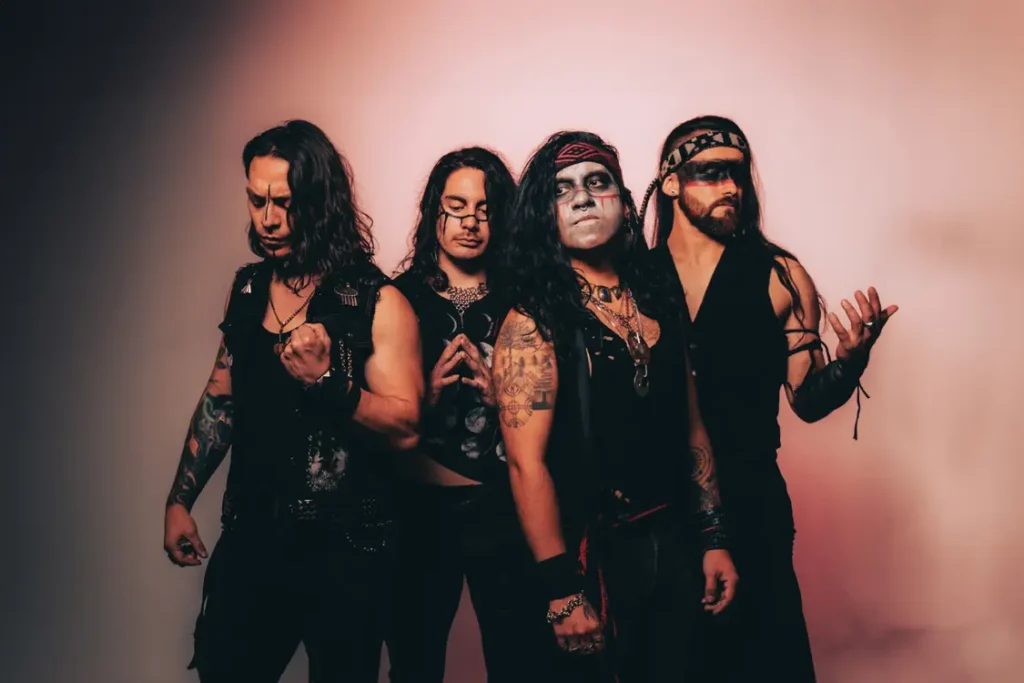
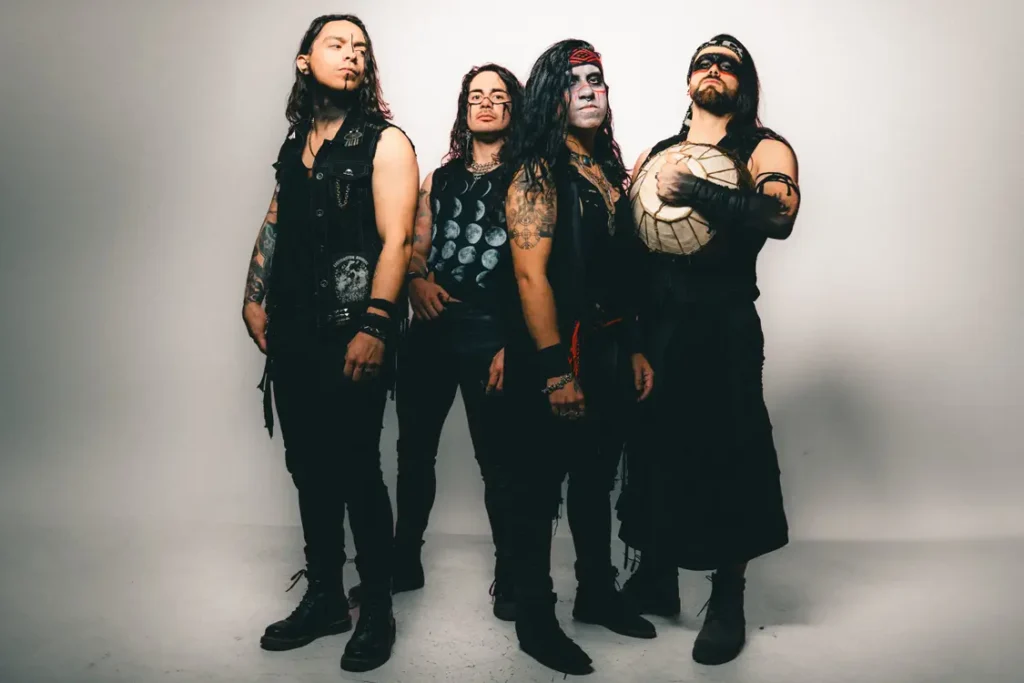
Surgindo como um dos destaques dos últimos anos no metal, o Mawiza já conquistou um grande território com sua música influenciada pela cultura Mapuche e cantada em sua língua nativa, o Mapudungun. Tendo feito turnês com grandes nomes do metal e tocando em festivais igualmente grandes e importantes, a banda deu seu primeiro passo com o lançamento de “Ül”, via Season Of Mist, um disco poderoso, cheio de energia e com muita história por trás de cada riff (confira nossa resenha aqui).
A importância do disco para a banda pode ser notada na forma como o vocalista aborda as temáticas, com o respeito aos antepassados, suas lutas, conquistas e também aos que ajudaram a banda alcançar um status entre gigantes do gênero. O Metal Na Lata teve a oportunidade de conversar com o vocalista e guitarrista Awaka sobre o novo álbum, suas influências, a importância de suas raízes para o trabalho que fazem e como o metal tem espaço para algo muito mais profundo e com paixão. Confira a entrevista completa abaixo (versão em inglês ao final).
Entrevista por Lucas David
Fotos por Andie Borie/Season Of Mist
Metal Na Lata: Gostaria de começar agradecendo o seu tempo e atenção a esta entrevista. O novo álbum foi lançado em julho e recebeu ótimas resenhas de fãs e críticos. Como você vê esse sucesso?
Awaka: Mari mari, Lucas. Rume mañumuwnieiñ tami ngütaytufiel. Olá, muito prazer Lucas. Agradecemos muito a sua preocupação. Somos muito gratos por nossas músicas estarem sendo ouvidas em diferentes territórios. No fim das contas, acreditamos que uma parte fundamental da missão do Mawiza é canalizar os desejos da natureza. Tudo está acontecendo como deveria.
Metal Na Lata: “Ül” apresenta um som muito característico, com muito peso, groove e a característica única de ser cantado em Mapudungun. O que você pode nos contar sobre o processo criativo de uma obra como essa?
Awaka: O conceito deste álbum era trilhar o caminho para a música indígena a partir da perspectiva do metal, da maneira mais consistente possível. Pensamos nisso a partir da perspectiva de criar músicas com melodias tradicionais Mapuche, que falassem de nossas histórias e sentimentos sob nossa visão de mundo, e a partir daí, começar a usar as ferramentas da música pesada. A origem das músicas vem da vivência cotidiana como indígena. Encontrar um sentimento, um sonho, um ngütxam (conversa Mapuche) para expressar e materializar em um ül (canção). É difícil fazer isso da cidade, mas a natureza permeia e envolve tudo o que você vê. A energia da tecnologia mais moderna do mundo vem, em última análise, da terra. É assim que abordamos a música de Mawiza: uma visão consciente do desejo de tornar visível o poder da natureza e restaurar o equilíbrio em nosso relacionamento com a mãe natureza.
Metal Na Lata: Ainda em relação à escolha do idioma, a banda já tinha isso definido desde o início ou foi algo decidido depois que as composições começaram? Vocês não tiveram medo de uma reação negativa ou até mesmo de afastar alguns ouvintes por causa disso?
Awaka: Para falar sobre a evolução do Mawiza, é necessário falar sobre nossas próprias experiências e contexto identitário. Quando formamos a banda, ela se chamava Nunca Seremos Dichosos, e desde o início sua missão era fazer um metal autêntico que soasse como nosso território, mas com uma visão mais latino-americanista. O caminho nos revelou um sangue profundo pertencente ao povo Mapuche. A partir daí, os ancestrais se fizeram ouvir, trazendo de volta a língua dentro de nós. Isso nos facilitou aprendê-la e pedir permissão em nossas cerimônias para usá-la em nossa arte. Mais tarde, entendemos que o espanhol precisava ser completamente deixado de lado se quiséssemos seguir esse caminho com o Mapuzugun. E assim foi. Há muita espiritualidade na forma como o Mawiza trabalha.
Metal Na Lata: Dentro do metal, muitas bandas usam sua música para contar histórias de seu povo, suas lutas, conquistas e cultura, como os escandinavos, por exemplo. Qual a importância de poder falar sobre a cultura Mapuche para novos ouvintes?
Awaka: É vital. É de suma importância contar nossa experiência como povo Mapuche, contar sobre nossa resistência e resiliência ao longo dos anos. Sobre nosso senso de liberdade e o reconhecimento da Coroa Espanhola como uma nação livre. Sobre nossas últimas grandes batalhas com o Estado chileno no final do século XIX. Sobre os acordos que não foram respeitados. É uma das razões pelas quais os ancestrais nos deram o presente do Mapuzugun e a criação dos ülkantun (cantos). Compartilhar nossa maneira de pensar e de onde vem nossa motivação para defender com nossas vidas o território que nos viu nascer.

Metal Na Lata: Como é para vocês ser uma banda sul-americana e ainda fazer um tipo de som que ressoa com o mundo inteiro, mesmo sendo cantado em uma língua e cultura diferentes de muitas outras?
Awaka: É uma oportunidade e um desafio. Nossa maior arma é a identidade, a língua e nossa visão de mundo. Mas, ao mesmo tempo, temos a responsabilidade de que nossa mensagem seja entendida da forma mais fluida possível. Que não seja algo superficial. Fomos ensinados que a música, que um som, deve carregar intenção e sentimento claros para que o ouvinte possa senti-los sem a necessidade de palavras. Esse é o poder da música, e devemos estar alinhados com esse ensinamento para quebrar a barreira da língua diante do mundo.
Metal Na Lata: Podemos notar semelhanças com bandas como Sepultura, Mastodon e Gojira no álbum, principalmente pelo groove e pela inclusão de sons mais característicos, como visto em “Roots”, por exemplo. Qual a influência dessas bandas em vocês e na música que vocês fazem?
Awaka: Adoramos o Sepultura e toda a escola que eles construíram no metal. Talvez seja a influência mais forte no Mawiza, depois da música Mapuche. Eles nos mostraram que é possível tribalizar o metal de forma autêntica e sincera. O poder que as pessoas desses territórios carregam é diferente, e pode ser percebido na forma como os instrumentos são tocados, na forma como se canta, na forma como se escreve poesia. São as experiências cruas dessas latitudes, cheias de histórias sangrentas, raízes sangrentas, resistência e desobediência contra um modo de vida imposto.
Metal Na Lata: Falando em Gojira, como foi ter Joe Duplantier (guitarra/ vocal) em uma das faixas do álbum e como é conquistar o respeito de bandas veteranas como Mercyful Fate e o já mencionado Gojira?
Awaka: É uma honra ter os cânticos de Joe Duplantier em “Ti Inan Paw-pawkan”. O resultado de um alinhamento tão bom entre nossos valores e personalidades. Às vezes é muita coisa para processar e perceber o poder da humildade em músicas criadas sob uma árvore nos pontos periféricos de Santiago, e como elas emocionam pessoas de tão longe e com tanta experiência. Não resta nada além de sentir gratidão.
Metal Na Lata: Agora que o álbum foi lançado, quais são seus planos para o futuro?
Awaka: Estamos finalizando nossa primeira turnê europeia, encerrando-a em grandes festivais como Summer Breeze e Dynamo Metal Fest. Nossos planos são continuar espalhando os desejos do nosso território através da música. Continuar tocando o “Ül” no palco. Além disso, nos próximos meses, será lançada uma sessão ao vivo gravada no Silvercord, em Nova York.
Metal Na Lata: Obrigado novamente pela atenção; desejo muito sucesso à banda. Gostaria de deixar uma mensagem para seus fãs?
Awaka: Newen chalin amulniewaiñ pu che allkütulelu iñ ül. Rume mañum Metal Na lata ñi pu che fey ñi ramtukan ta ka. Petu newentuleaiñ kom! Pewkayael! “Enviamos uma saudação poderosa a todos que ouvem nossas músicas. Muito obrigado também ao pessoal do Metal na Lata por esta entrevista. Continuaremos nos fortalecendo juntos! Até mais!”
Mais informações:
https://www.facebook.com/mawizakvlt
https://www.instagram.com/mawizakvlt
https://www.youtube.com/@mawizakvlt
…::: ENGLISH VERSION :::…
Emerging as one of the metal standouts of recent years, Mawiza has already conquered a wide range of territory with their music, influenced by Mapuche culture and sung in their native language, Mapudungun. Having toured with major metal names and played at equally large and important festivals, the band took its first step with the release of “Ül,” a powerful album, full of energy, and with a wealth of history behind every riff (check out our review here).
The album’s importance to the band is evident in the vocalist’s approach to its themes, with respect for their ancestors, their struggles, achievements, and also for those who helped the band achieve its status among the genre’s giants. Metal Na Lata had the opportunity to speak with vocalist and guitarist Awaka about the new album, their influences, the importance of their roots in their work, and how metal has room for something much deeper and more passionate. Check out the full interview below.
Metal Na Lata: I’d like to begin by thanking you for your time and attention to this interview. The new album was released in July and has received great reviews from both fans and critics. How do you view this success?
Awaka: Mari mari, Lucas. Rume mañumuwnieiñ tami ngütaytufiel. Regards, Lucas. We really appreciated your concern. We are very grateful that our songs are being listened to in different territories. In the end, we believe that a fundamental part of Mawiza’s mission is to channel the wishes of nature. Everything is happening as it should.
Metal Na Lata: “Ül” presents a very distinctive sound, with a lot of weight, groove, and the unique feature of being sung in Mapudungun. What can you tell us about the creative process for such a work?
Awaka: The concept of this album was to lay the path for Indigenous music from the perspective of metal in the most consistent way we could. We thought about it from the angle of creating songs with traditional Mapuche melodies, that speak of our stories and feelings under our worldview, and from there, begin to use the tools of heavy music. The origin of the songs comes from living daily life as an Indigenous person. Finding a feeling, a dream, a ngütxam (Mapuche conversation) to express and materialize in an ül (song). It’s tough to do this from the city, but nature permeates and encompasses everything you see. The energy of the most modern technology in the world ultimately comes from the earth. That’s how we approach the music of Mawiza: a conscious vision of the desire to make visible the power of nature and to restore balance in our relationship with mother nature.
Metal Na Lata: Still regarding the language you chose, did the band have this decided from the beginning, or was it something decided after the compositions began? Weren’t you afraid of a negative reaction or even alienating some listeners because of this?
Awaka: To talk about the evolution of Mawiza, it’s necessary to speak about our own experiences and identity context. When we formed the band, it was called Nunca Seremos Dichosos, and from the beginning its mission was to make an authentic metal that sounded like our territory, but with a more Latin Americanist vision. The path revealed to us a deep blood belonging to the Mapuche people. From there the ancestors made themselves heard, bringing back the language within us. That made it easier for us to learn it and to ask permission in our ceremonies to use it in our art. Later we understood that Spanish had to be completely set aside if we wanted to follow this path with Mapuzugun. And so it was. There is a lot of spirituality in the way Mawiza works.
Metal Na Lata: Within metal, many bands use their music to tell stories of their people, their struggles, achievements, and culture, like the Scandinavians, for example. How important is it for you to be able to talk about Mapuche culture and for new listeners?
Awaka: It’s vital. It is of utmost importance to tell our experience as Mapuche people, to tell about our resistance and resilience through the years. About our sense of freedom and the recognition by the Spanish Crown as a free nation. About our last big battles with the Chilean state at the end of the 1800s. About the agreements that were not respected. It is one of the reasons why the ancestors have given us the gift of Mapuzugun and the making of ülkantun (chants). To share our way of thinking, and where our drive comes from to defend with our lives the territory that sees us born.
Metal Na Lata: What is it like for you to be a South American band and still make a type of sound that can resonate with the whole world, even though it’s sung in a language and culture that’s different from many others?
Awaka: It is both an opportunity and a challenge. Our greatest weapon is identity, language, and our worldview. But at the same time, we have the responsibility that our message be understood as fluidly as possible. That it not be something superficial. We’ve been taught that music, that a sound, must carry clear intention and feeling so that the listener can feel it without the need for words. That is the power of music, and we must be aligned with that teaching to break the language barrier before the world.
Metal Na Lata: We can notice similarities with bands like Sepultura, Mastodon and Gojira on the album, mainly due to the groove and the inclusion of more distinctive sounds, as seen in “Roots”, for example. What influence did these bands have on you and the music you make?
Awaka: We love Sepultura and the whole school they have built in metal. Perhaps it is the strongest influence on Mawiza, after Mapuche music. They showed us that it’s possible to tribalize metal in an authentic and sincere way. The power that people from this territories carry is different, and it can be perceived in the way instruments are played, in the way one sings, writes poetry. It’s the raw experiences of this latitudes, full of bloody stories, bloody roots, resistance, and disobedience against an imposed way of life.
Metal Na Lata: Speaking of Gojira, what was it like having Joe Duplantier on one of the album’s tracks and what’s it like to earn the respect of veteran bands like Mercyful Fate and the aforementioned Gojira?
Awaka: It is an honor to have Joe Duplantier’s chants on Ti Inan Paw-pawkan. The result of a very good alignment of our values and personalities. Sometimes it’s a lot to process and to become aware of the power of humility in songs created under a tree in the peripheral points of Santiago, and for them to move people from so far away and with such vast experience. There’s nothing left but to feel grateful.
Metal Na Lata: Now that the album is out, what are your plans for the future?
Awaka: We are finishing our first European tour, closing it at major festivals like Summer Breeze and Dynamo Metal Fest. Our plans are to continue spreading the wishes of our territory through music. To keep playing the “Ül” on stage. Also, in the coming months a live session recorded at Silvercord, New York, will be released.
Metal Na Lata: Thank you again for your attention; I wish the band much success. Would you like to leave a message for your fans?
Awaka: Newen chalin amulniewaiñ pu che allkütulelu iñ ül. Rume mañum Metal Na lata ñi pu che fey ñi ramtukan ta ka. Petu newentuleaiñ kom! Pewkayael! “We send a powerful greeting to the people who listen to our songs. Many thanks also to the people of Metal na Lata for this interview. We will continue strengthening ourselves together! See you!”
More information:
https://www.facebook.com/mawizakvlt
https://www.instagram.com/mawizakvlt
https://www.youtube.com/@mawizakvlt